Can an EV Charger Add Value to Your Home?
Last reviewed: July 22, 2026
How Home EV Charging Can Affect Buyer Appeal and Resale Value
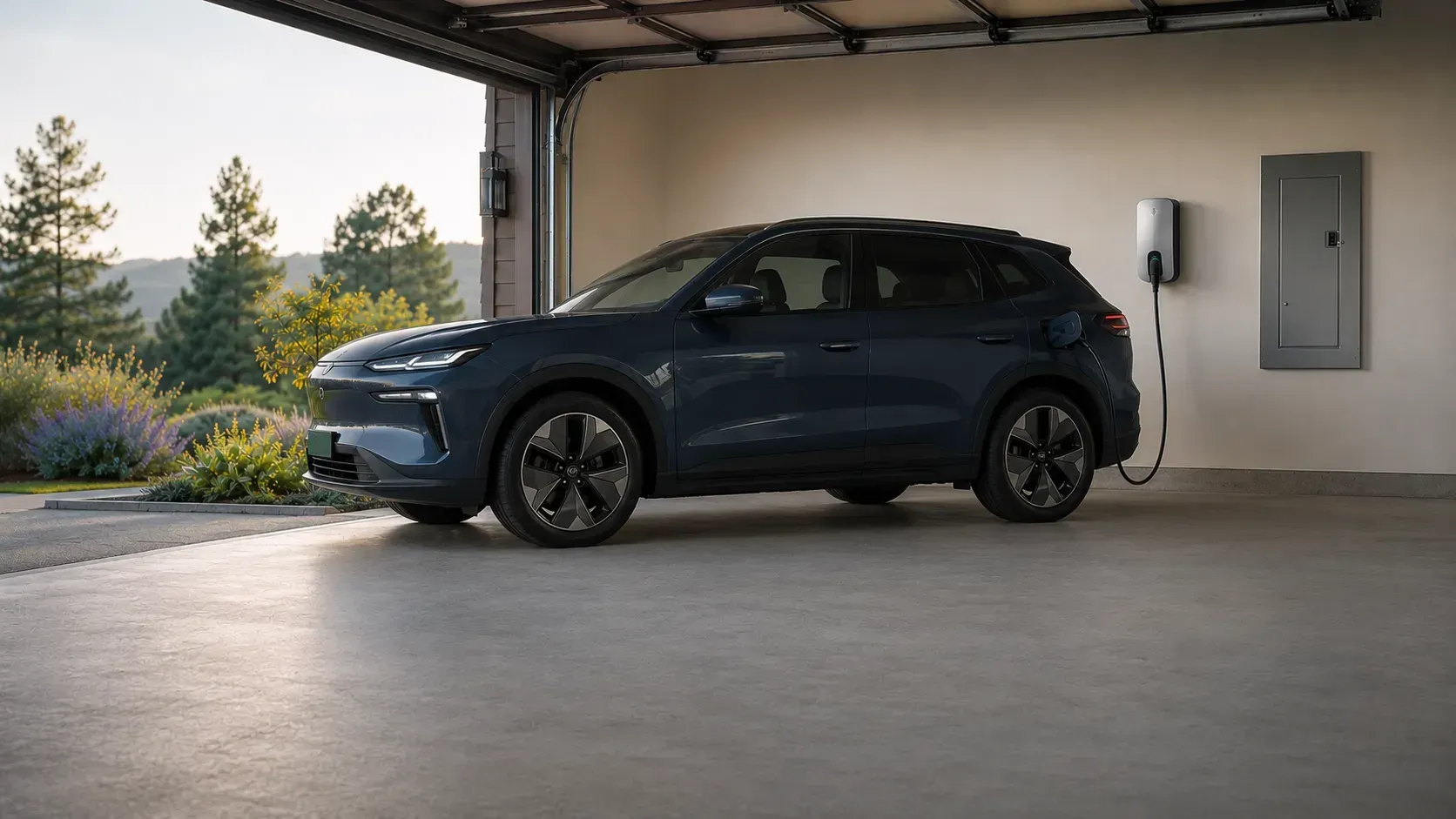
A professionally installed EV charger can make a home more convenient and attractive to buyers who drive electric vehicles. It may also help distinguish a property from similar homes that are not ready for convenient overnight charging.
That does not mean every charger produces a predictable increase in the sale price.
The effect depends on the local market, the buyer, the quality of the installation and whether comparable homes demonstrate that buyers will pay more for the feature. In many cases, the most immediate benefit may be improved buyer appeal or marketability rather than a separately measurable increase in appraised value.
Homeowners should think of an EV charger as a useful property feature—not a guaranteed investment return.
Buyer Appeal, Marketability and Appraised Value Are Different
These three ideas are related but not interchangeable.
Buyer appeal describes whether a feature makes the home more attractive to a potential buyer. An EV-driving household may prefer a home where convenient charging is already available.
Marketability describes how easily the property competes with similar homes. A permitted Level 2 charger may help a listing stand out when buyers are comparing otherwise similar properties.
Appraised value is a professional opinion of the property’s market value. An appraiser considers market evidence, comparable sales and how buyers in that market respond to the feature. The amount spent on an installation does not automatically translate into an equal increase in appraised value.
An EV charger can be a meaningful amenity without appearing as a separate dollar-for-dollar adjustment in an appraisal.
The Value Depends on the Buyer
For a buyer who already drives an EV, home charging can solve an immediate problem. The buyer does not need to select equipment, hire an installer, evaluate the panel, obtain a permit or wait for the project to be completed.
That convenience may be especially appealing when:
- Public charging is limited or inconvenient
- The buyer has a long commute
- The household owns more than one EV
- The garage or driveway is well suited to charging
- The electrical panel is difficult to access
- The local installation process would otherwise delay charging
A buyer who does not drive an EV may place less value on the equipment. However, the installation may still communicate that the home is prepared for future transportation needs.
The feature’s impact therefore depends partly on how many potential buyers recognize and want the benefit.
Level 2 Charging Is Generally More Meaningful
A standard 120-volt outlet may support Level 1 charging, but buyers may not consider an ordinary receptacle a significant property improvement.
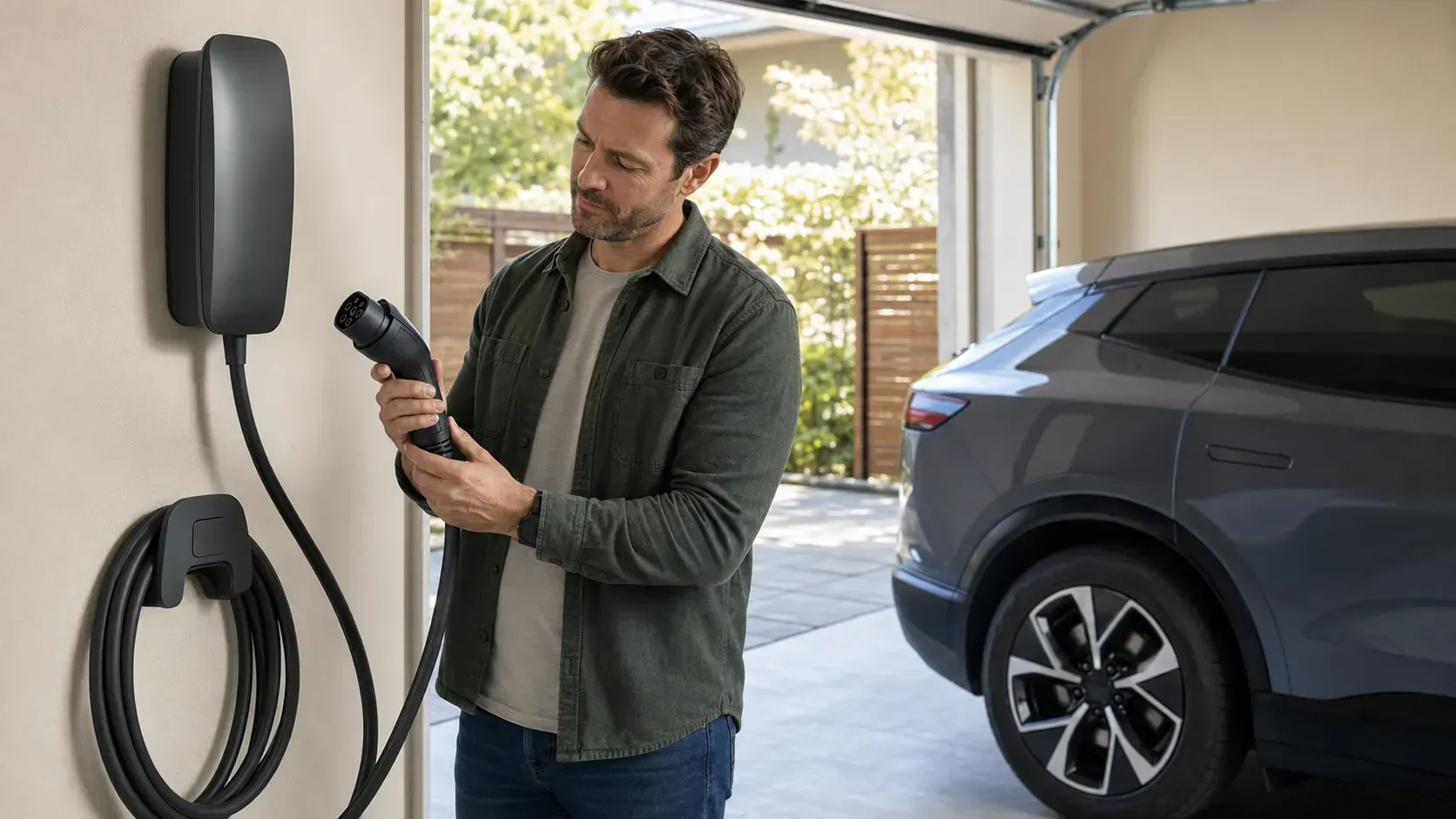
A dedicated Level 2 installation is easier to identify as a deliberate home-charging feature. It generally offers faster charging and may include:
- A dedicated 240-volt circuit
- Wall-mounted charging equipment
- Proper cable storage
- A convenient parking-space location
- Smart charging features
- Permit and inspection records
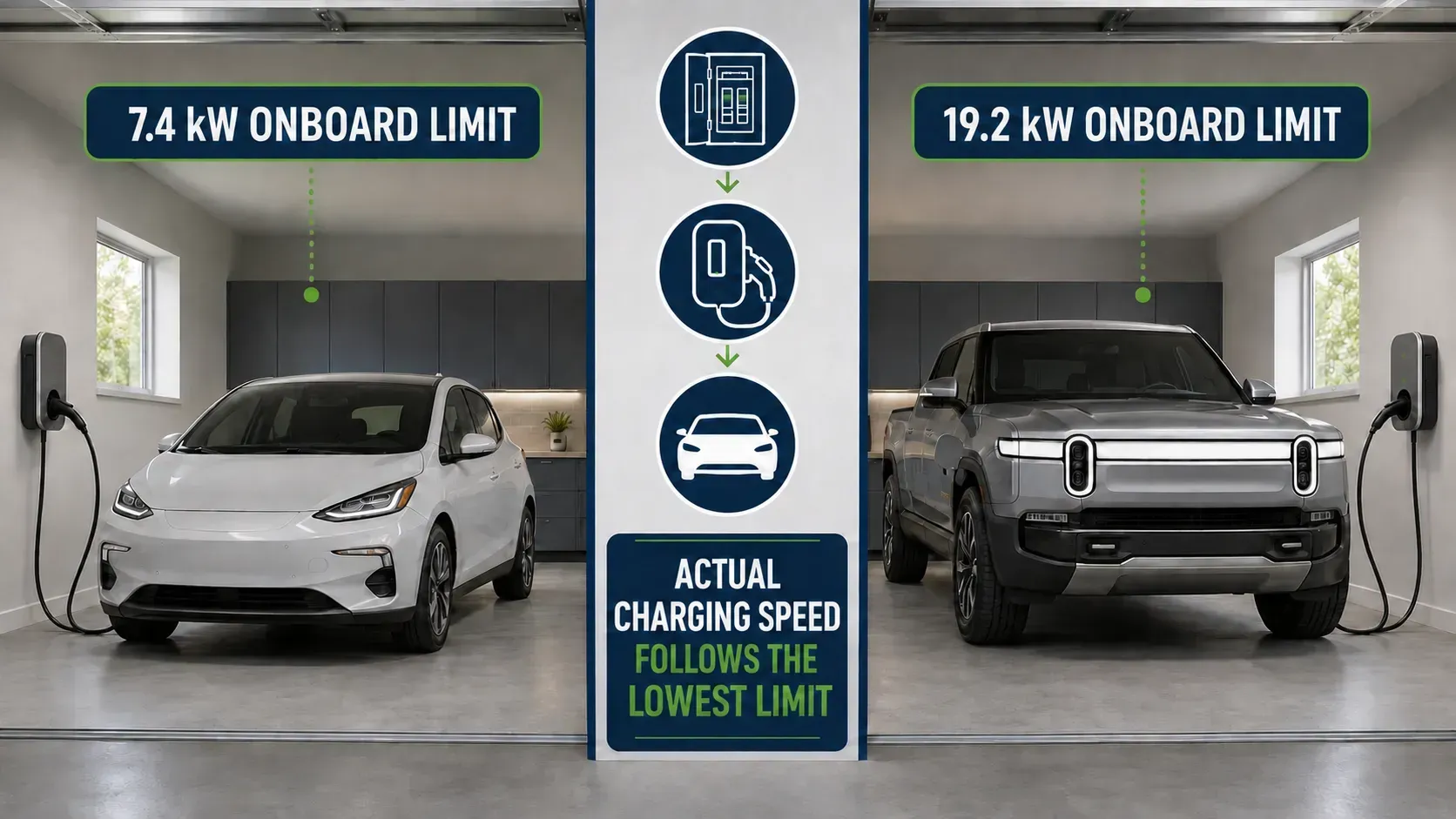
The installation should still match the property. An oversized charger does not necessarily add more buyer value if the electrical system cannot use its full output or the equipment is inconveniently located.
Our Level 1 versus Level 2 charging comparison explains the practical differences.
Installation Quality Matters
A neat, professionally planned installation is more likely to be viewed as an asset than one with unclear wiring, damaged equipment or awkward cable placement.
Positive installation characteristics include:
- Securely mounted equipment
- A convenient location
- Proper cable storage
- A cable that reaches the vehicle without being stretched
- Wiring protected from damage
- Clean conduit routing
- Outdoor-rated equipment where required
- Clear access to the electrical panel
- Permit and inspection documentation
A poorly positioned charger can create inconvenience even when it functions correctly. A cable that crosses a walkway, reaches only one vehicle orientation or must be driven over may reduce the feature’s usefulness.
Outdoor equipment should be integrated into the property without creating a visual distraction or interfering with the driveway, landscaping or pedestrian access.
Learn more about planning an outdoor EV charger installation.
Permits and Documentation Support Buyer Confidence
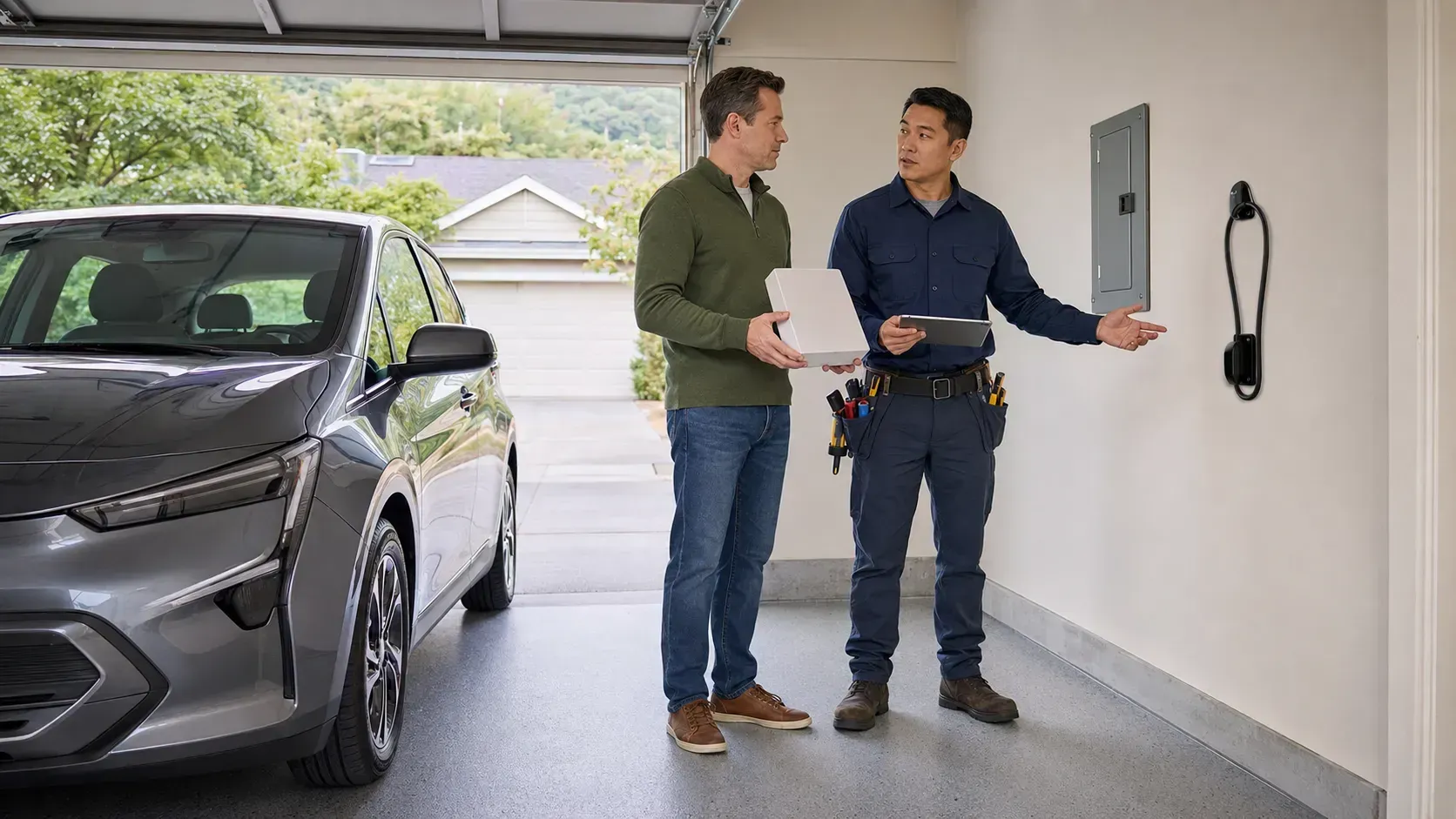
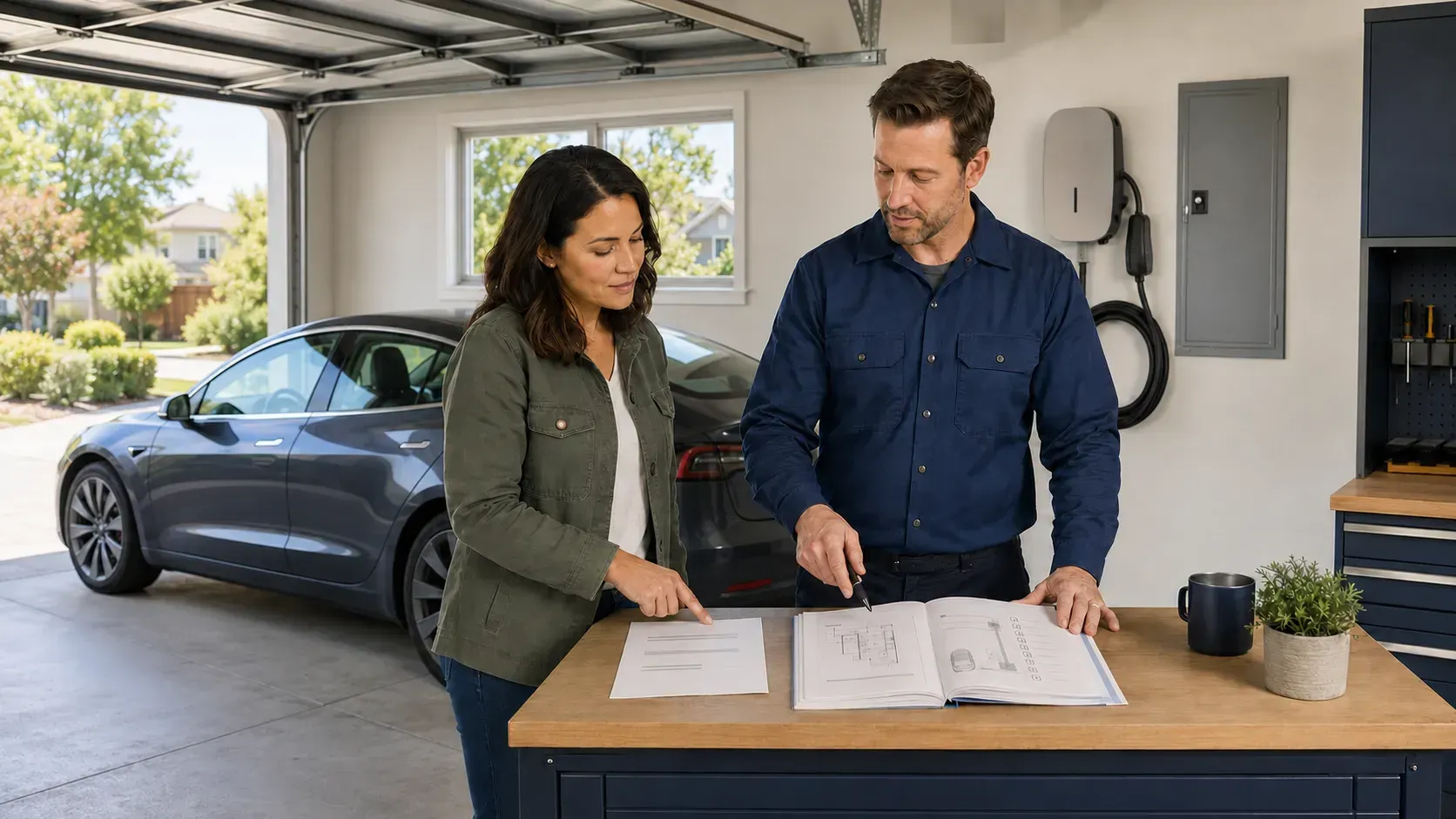
A buyer may want to know who performed the work and whether required permits and inspections were completed.
Maintain a file containing:
- Charger manufacturer and model
- Installation date
- Installer information
- Permit records
- Final inspection documentation
- Equipment manual
- Warranty information
- Circuit and charger capacity
- Receipts for related electrical work
- Instructions for connected features
This documentation helps the buyer understand what is installed and may reduce uncertainty during inspections and disclosures.
If the charger was added without a required permit, the seller may face questions about the work. Resolving permitting or correction issues before listing the property may be easier than addressing them during a transaction.
Current local permit information is available through the City of Santa Rosa Building Division. Our guide to EV charger permits in Santa Rosa provides additional background.
Electrical Capacity Can Be Part of the Benefit
The visible charger is only one part of the installation. The supporting electrical capacity may also matter to a buyer.
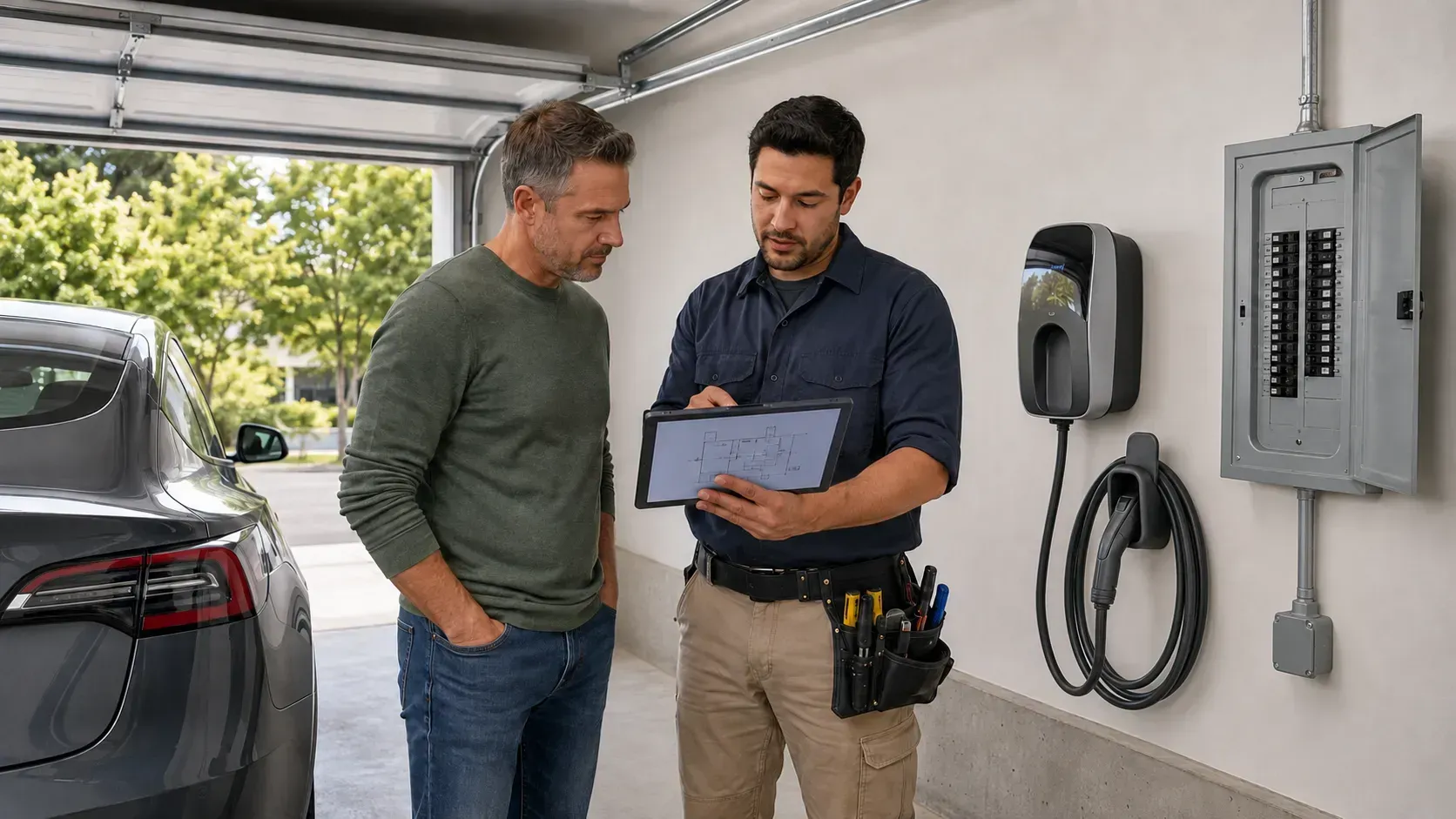
A home that can support Level 2 charging without immediate panel or service work may be more convenient than a property where the buyer must first complete a substantial electrical upgrade.
Useful documentation may identify:
- Electrical-service rating
- Charger circuit capacity
- Charger output setting
- Available panel space
- Load-management equipment
- Related panel or service upgrades
Avoid describing the home as capable of supporting unlimited future electrical loads. A charger installation confirms what was designed and approved for that project, not every appliance a future owner might add.
If the installation uses dynamic load management, explain what the equipment does and provide its operating instructions.
Our electrical panel assessment guide explains why panel space and electrical capacity are not the same thing.
Charger Compatibility May Affect Usefulness
A charger should be usable by a reasonable range of vehicles, but connector standards and manufacturer support continue to evolve.
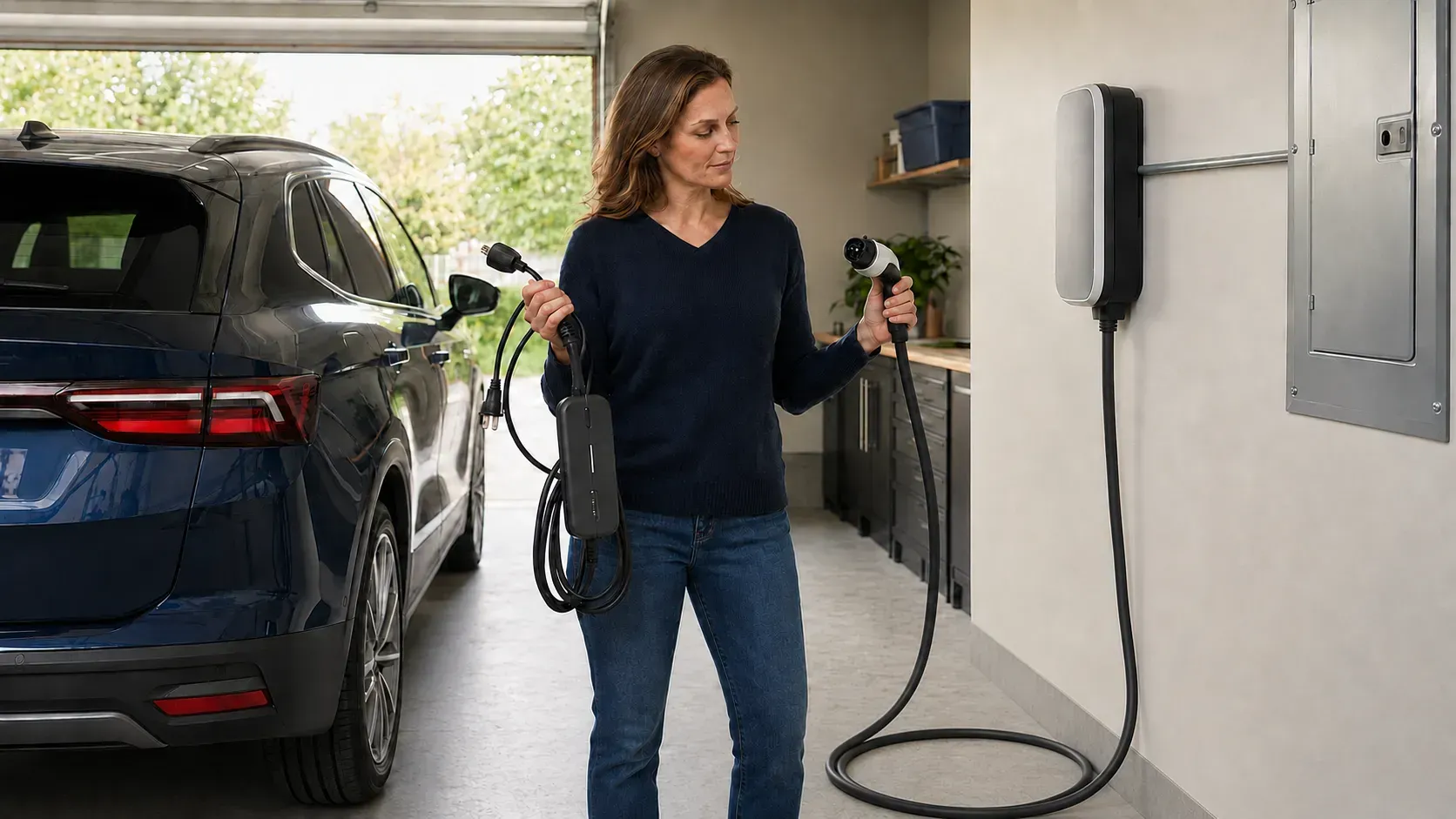
A future buyer may drive a vehicle with a different connector from the seller’s EV. A compatible, manufacturer-approved adapter may solve that issue, but homeowners should not assume that every adapter works with every combination of vehicle and equipment.
When selling, provide accurate information about:
- Charger connector
- Maximum configured output
- Compatible vehicles
- Approved adapters, if included
- Cable length
- Smart-charger account requirements
Do not advertise universal compatibility unless the manufacturer supports that claim.
A well-located charger with an appropriate cable length may be more valuable than a highly specialized unit that serves only one vehicle arrangement.
Smart Features Can Help—or Create a Handoff Problem
Connected chargers may provide scheduling, usage tracking, access controls and remote monitoring. These features can be useful to a buyer, but the account must be transferred correctly.
Before closing a sale:
- Remove personal charging history if appropriate
- Disconnect the charger from the seller’s account
- Follow the manufacturer’s transfer or reset procedure
- Leave setup instructions for the buyer
- Confirm that Wi-Fi credentials are not stored improperly
- Identify any required subscription
- Provide warranty and support information
A charger that remains locked to the seller’s account can turn a useful feature into a frustrating move-in problem.
For more information, see our guide to smart EV chargers and home energy management.
Is the Charger Included With the Home?
Wall-mounted charging equipment may appear permanently installed, but the seller and buyer should not rely on assumptions about what remains with the property.
A hardwired charger may be treated differently from portable plug-in equipment. Even with wall-mounted equipment, the purchase agreement should clearly state whether the charger, cable hanger, adapters and related accessories are included.
If the seller intends to remove a charger, the remaining circuit and wall area should be left safe and presentable. The seller may choose to leave a compatible receptacle, install replacement equipment or disclose that only the circuit remains.
Questions about what constitutes a fixture and what transfers with the sale should be addressed with the real-estate professionals handling the transaction.
Should You Install a Charger Before Selling?
Installing a charger immediately before listing is not automatically a profitable improvement.
Consider:
- Current buyer demand
- The types of competing homes
- Whether EV charging is common in the neighborhood
- Installation cost
- Existing panel capacity
- Parking configuration
- Time before listing
- Whether a simpler EV-ready circuit would be sufficient
- Advice from a local real-estate professional
If the home already needs electrical work, coordinating an EV-ready circuit with that project may be practical. If installation requires an expensive service upgrade and EV demand among likely buyers is limited, the project may not recover its full cost through the sale.
A local real-estate professional can offer perspective on buyer expectations, while a qualified appraiser can address valuation questions. Neither should guarantee a specific return without supporting market evidence.
Present the Feature Accurately
If the charger remains with the home, the property listing can describe it clearly without making unsupported claims.
Useful information may include:
- Level 2 home charging
- Indoor or outdoor location
- Charger output
- Dedicated circuit
- Smart features
- Permit and inspection status
- Charger included with the sale
- Load-management capability
Avoid statements such as “adds thousands in value,” “charges every EV” or “eliminates the need for future electrical upgrades” unless those claims can be substantiated.
Clear information helps an interested buyer recognize the benefit and ask informed questions.
The Practical Value May Be the Strongest Benefit
An EV charger can contribute to a home’s appeal because it makes daily life easier. A buyer can move in, connect the vehicle and charge at home without immediately planning an electrical project.
That convenience may:
- Differentiate the home from similar listings
- Reduce a buyer’s move-in work
- Demonstrate thoughtful electrical planning
- Appeal to EV-driving households
- Prepare the property for growing charging demand
Whether those benefits create a measurable price premium depends on the market. The charger should be viewed as one feature among the home’s location, condition, size, energy systems and other amenities.
Install It for Use First
If you expect to remain in the home, the strongest reason to install an EV charger is the convenience it provides while you live there. Any future resale benefit should be considered a possible secondary advantage.
Choose equipment and capacity that fit your vehicle, driving routine and electrical system. Install it neatly, permit it when required and retain the documentation.
That approach creates immediate value for your household and presents the feature in the best possible way when the property is eventually sold.
Contact us to discuss your Santa Rosa home, electrical system and charging needs. We can help identify a practical installation that serves you today while remaining understandable and useful to a future owner.
Contact Us
Contact Us - Blog - Home Value