DIY or Professional EV Charger Installation?
Last reviewed: July 22, 2026
What Homeowners Should Know Before Installing an EV Charger
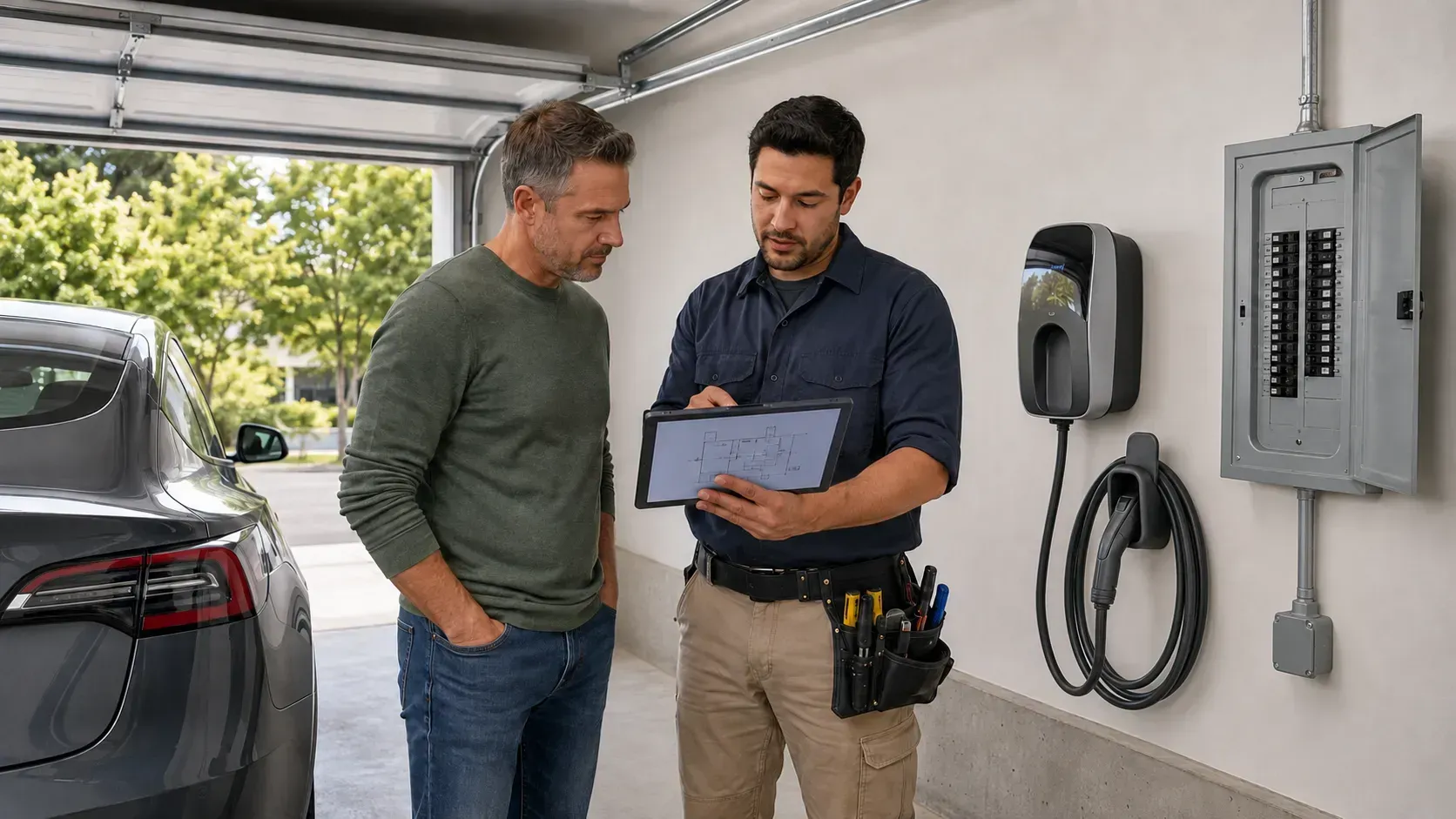
Installing a Level 2 EV charger can appear straightforward: mount equipment on a wall, connect it to a 240-volt circuit and begin charging. The work behind that connection, however, requires decisions about electrical capacity, circuit sizing, wiring methods, equipment configuration, permits and inspection.
A capable homeowner may be allowed to perform certain work as an owner-builder when local requirements are satisfied. That does not make every EV charger installation a suitable do-it-yourself project.
The better question is not simply, “Can I install this charger?” It is, “Do I have the knowledge, tools and experience to design, permit, complete and verify the entire installation safely?”
For most homeowners, a permanent Level 2 installation is better handled by a qualified electrical professional.
Why EV Charging Requires Careful Planning
An EV charger may operate continuously for several hours while delivering a substantial electrical load. A connection that appears to work initially may still have problems involving conductor sizing, terminations, grounding, equipment configuration or available panel capacity.
The installation must account for:
- Charger output
- Circuit and breaker requirements
- Conductor size and type
- Wiring distance and routing
- Electrical-panel capacity
- Grounding and bonding
- Indoor or outdoor conditions
- Equipment mounting
- Plug-in or hardwired connection
- Manufacturer instructions
- Permits and inspection
These decisions affect one another. Changing the charger’s output can change the required circuit. Moving the charger farther from the panel can affect materials and installation methods. Selecting an outdoor location introduces environmental and physical-protection considerations.
That is why purchasing a charger should not be the first or only planning step.
Level 1 and Level 2 Are Different Projects
Level 1 charging normally uses a compatible 120-volt receptacle and portable charging cord. If an appropriate outlet is already available, no new charger circuit may be required.
Even then, the outlet and existing circuit should be suitable for sustained EV charging. A receptacle that is worn, damaged, improperly grounded or shared with other significant loads may not provide dependable charging.
Level 2 charging generally requires a dedicated 240-volt circuit. The project may involve a new breaker, conductors, conduit, receptacle or hardwired connection, equipment configuration, permitting and inspection.
The fact that many homes already have 240-volt appliances does not mean any available 240-volt connection can be repurposed for an EV charger.
Our Level 1 versus Level 2 charging comparison explains the practical differences between the two charging levels.
An Empty Breaker Space Does Not Confirm Capacity
One of the most common installation misunderstandings is assuming that an unused space in the electrical panel means the home can support a Level 2 charger.
Breaker space and electrical capacity are different questions.
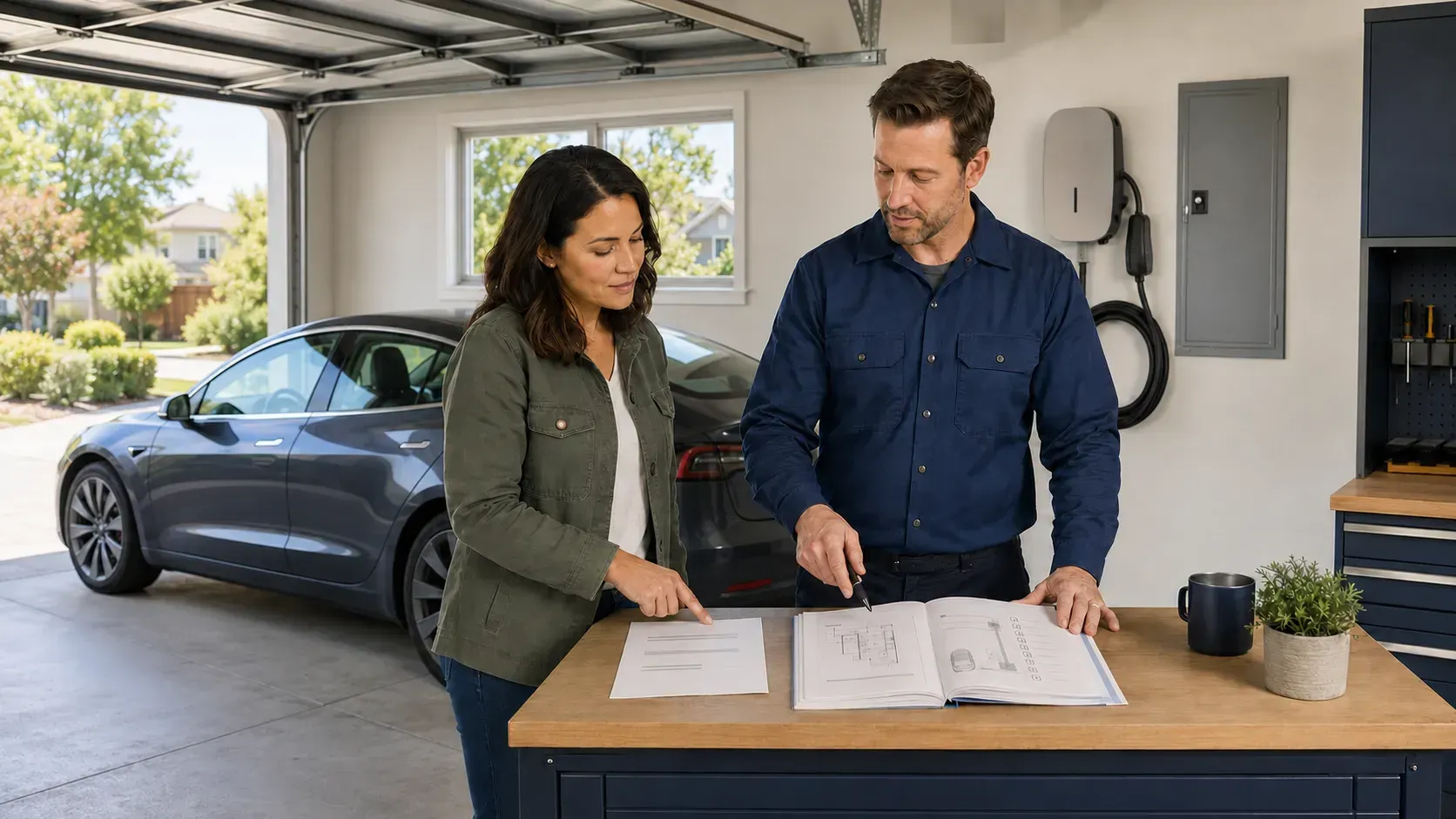
An electrical assessment considers the home’s service rating and existing loads, which may include:
- Heating and air conditioning
- Electric water heating
- Cooking equipment
- Clothes dryers
- Pools and spas
- Solar and battery equipment
- Other planned electrification projects
The proposed charger output must be evaluated as part of that total demand.
Some homes can support Level 2 charging without major changes. Others may need a lower charging setting, load-management equipment, a subpanel, panel replacement or service upgrade.
Installing a circuit without performing the appropriate assessment can create an unsafe or unreliable system. Learn more in our guide to EV charger electrical panel assessment.
The Charger Must Match the Circuit
Many Level 2 chargers can operate at different amperage settings. That flexibility can be useful, but the equipment must be configured correctly for the installed circuit.
A charger capable of a higher maximum output cannot simply be set to that output because faster charging is desirable. The circuit, conductors, breaker and available electrical capacity must all support the selected configuration.
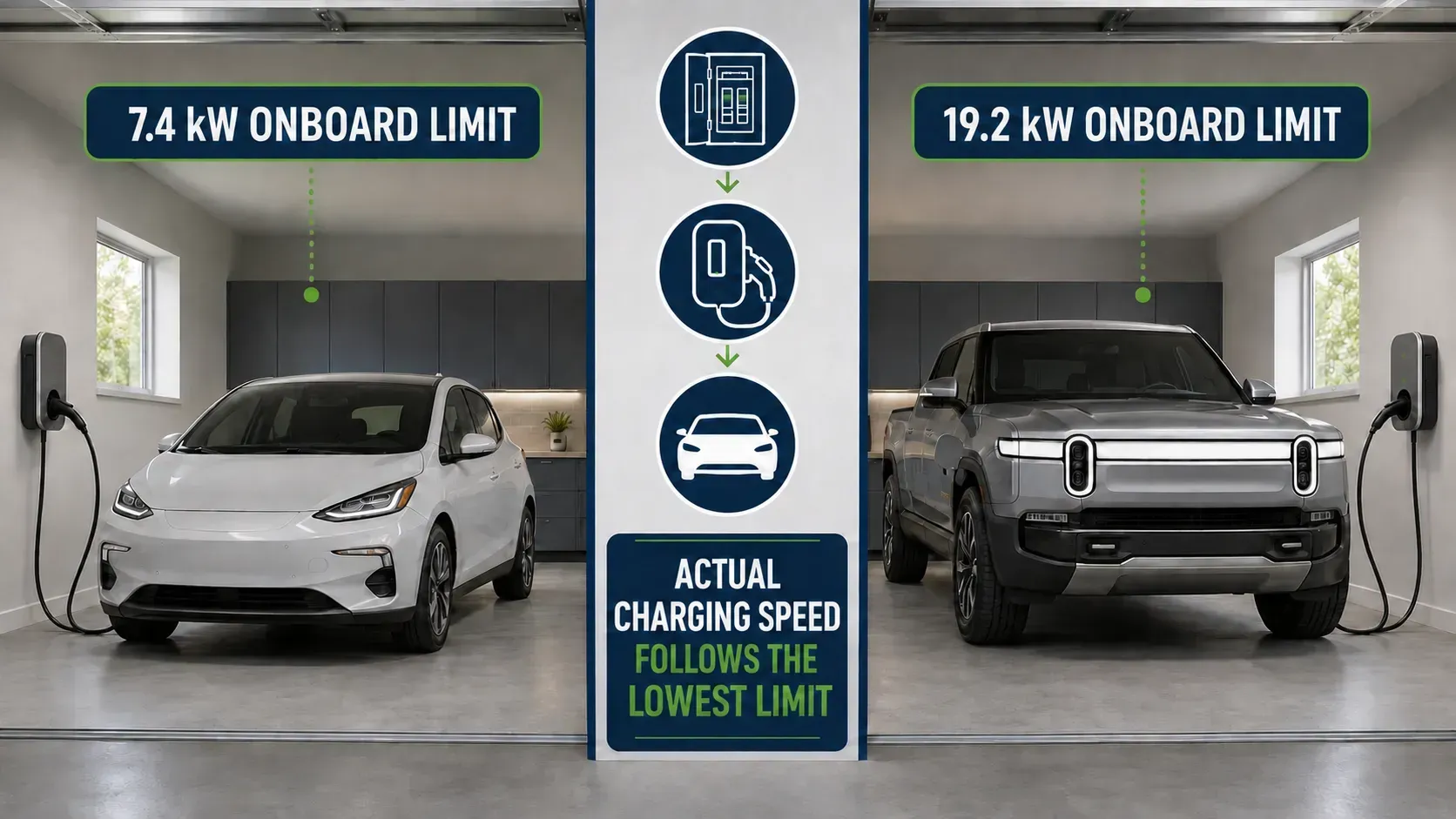
The vehicle also places a limit on charging speed. A higher-output charger cannot make an EV accept AC power faster than its onboard charger allows.
A professional installation should coordinate:
- The vehicle’s useful charging capability
- The homeowner’s daily driving needs
- The charger’s configured output
- The circuit’s capacity
- The home’s available electrical capacity
Our guide to choosing the right home charger for your EV explains how these limits work together.
Plug-In Does Not Mean No Installation Is Required
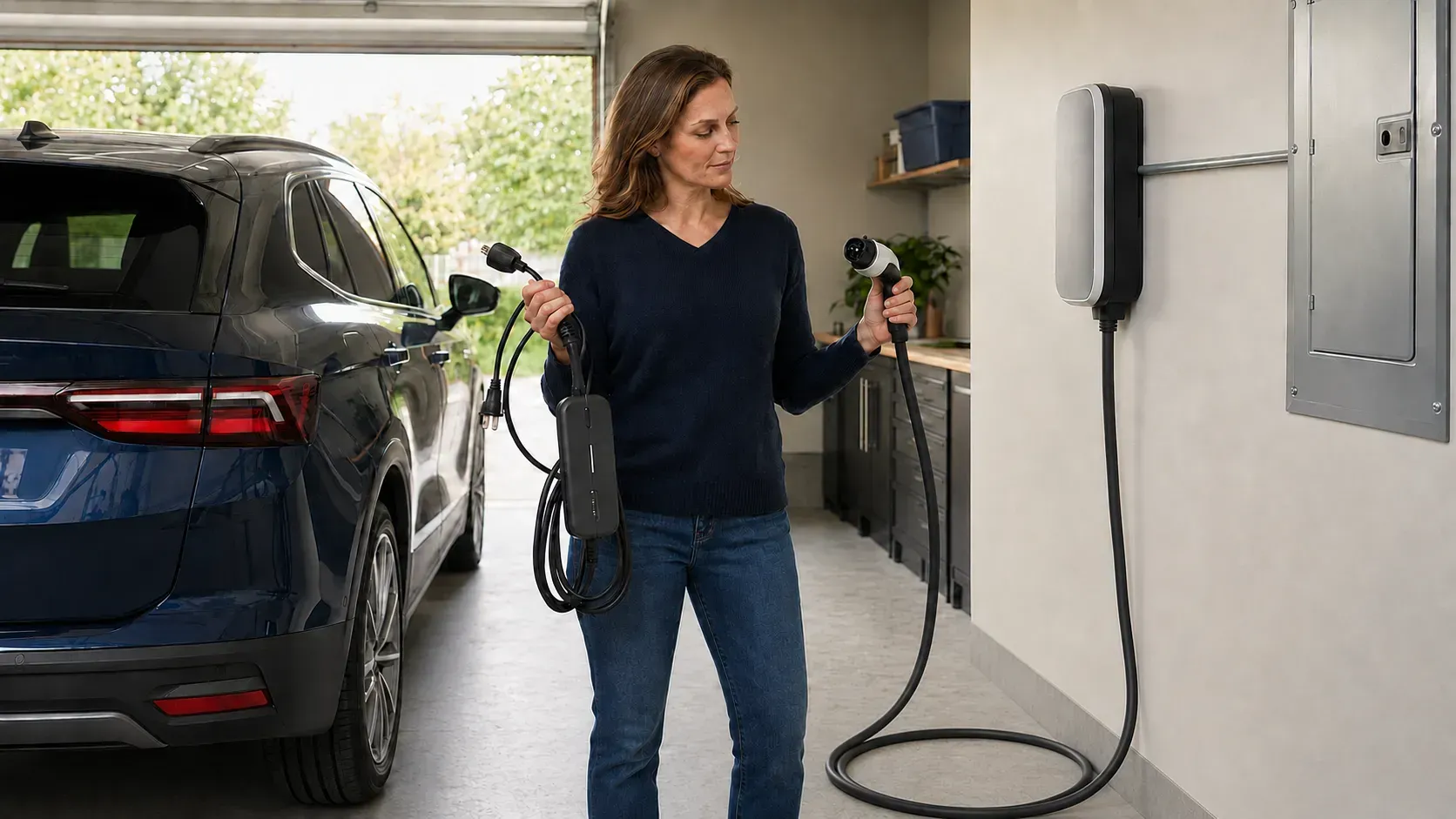
A plug-in Level 2 charger may seem like the easier DIY option. However, the 240-volt receptacle and its dedicated circuit are still part of the installation.
The receptacle must be appropriate for sustained charging, correctly mounted and supported by a properly designed circuit. Applicable requirements may also influence the equipment or protection used with that connection.
An existing receptacle should not be assumed suitable merely because the charger’s plug fits it. The circuit may have been installed for different equipment, may not support the charger’s configured output or may show signs of wear.
Hardwired charging equipment eliminates the plug-and-receptacle connection but requires a direct electrical connection. It is frequently considered for outdoor and higher-output installations.
The correct choice depends on the charger, location, circuit and manufacturer’s instructions—not simply which option appears easier.
Permits and Inspections Are Part of the Project
Required permits are not administrative extras. They establish a review and inspection process for the proposed electrical work.
The City of Santa Rosa publishes building-permit information and construction-document requirements for EV charging stations. Requirements can vary depending on the property and project scope. Current details should be confirmed through the City of Santa Rosa Building Division.
California’s Contractors State License Board notes that work performed without required permits can expose homeowners to added costs and liability. Its consumer resources also recommend confirming that required permits are addressed before contracted work begins.
A homeowner considering an owner-builder installation assumes responsibility for understanding the applicable requirements, preparing the documentation, scheduling inspections and correcting any deficiencies.
Read our overview of EV charger permits in Santa Rosa before beginning a project.
What Can Go Wrong With an Improper Installation?
An installation can appear functional while containing problems that develop under extended charging loads.
Potential warning signs include:
- Unusual heat at the charger, plug or receptacle
- Discoloration or melted plastic
- Repeated breaker trips
- Intermittent charging
- Burning odors
- Buzzing or crackling sounds
- Loose equipment
- Water intrusion
- Damaged cables or conduit
Problems may result from unsuitable equipment, loose terminations, incorrect configuration, inadequate circuit components or environmental exposure.
A breaker should not be repeatedly reset without determining why it is tripping. Electrical tape should not be treated as a repair for damaged charging equipment. Internal diagnosis and energized testing should be left to qualified professionals.
DIY Work Can Create Documentation Questions Later
It is inaccurate to say that any homeowner electrical work automatically voids an insurance policy or equipment warranty. The consequences depend on the work, applicable requirements, policy language and manufacturer’s terms.
However, unpermitted or noncompliant work can create complications involving:
- Insurance claims
- Manufacturer warranty coverage
- Home inspections
- Property disclosures
- Resale transactions
- Future electrical permits
- Repair responsibility
A future buyer, inspector, electrician or insurer may ask whether the installation was permitted, inspected and completed according to the equipment instructions.
Homeowners should confirm specific insurance questions with their insurer and warranty questions with the charger manufacturer rather than relying on broad online claims.
Is DIY Installation Really Less Expensive?
Avoiding professional labor can reduce the initial amount paid, but the complete comparison should include more than labor.
A DIY project may require:
- Permit fees
- Specialized tools
- Conductors, conduit and fittings
- Correct breakers or receptacles
- Equipment for wall or outdoor mounting
- Time spent researching requirements
- Corrections required after inspection
- Repair of damaged materials
- Professional help if the project cannot be completed
Mistakes can eliminate the expected savings quickly. An incorrectly purchased charger, unsuitable wiring route or failed inspection can require work to be removed and completed again.
Professional estimates should still be evaluated carefully. A higher price does not automatically mean better work, and a lower price does not automatically mean poor work. Compare the proposed circuit, charger output, permit responsibility, materials and scope—not only the total.
See our guide to EV charger installation costs in Santa Rosa.
What a Professional Installer Should Provide
Hiring a professional does not eliminate the homeowner’s role. The homeowner should still understand what is being proposed.
A complete estimate should identify:
- Charger model or owner-supplied equipment
- Proposed charging capacity
- Circuit and breaker requirements
- Equipment location
- Expected wiring route
- Plug-in or hardwired connection
- Panel or load-management work
- Permit and inspection responsibility
- Work excluded from the estimate
- Installation warranty
For California projects, homeowners can use the Contractors State License Board’s license-check resources to verify a contractor’s license status. The CSLB also provides consumer guidance about contracts, references and permits.
Ask the installer to explain why the proposed charging capacity fits the vehicle, home and daily driving requirements.
Homeowners Still Have Important Planning Decisions
Choosing professional installation does not mean giving up control of the project. Homeowners should participate in decisions about:
- Charger features
- Cable length
- Equipment appearance
- Mounting location
- Vehicle parking orientation
- Wi-Fi connectivity
- Charging schedules
- Future vehicles
- Indoor or outdoor placement
- Budget and timing
These choices can be researched safely without opening an electrical panel or attempting circuit work.
A well-informed homeowner is better prepared to compare estimates and recognize whether an installer has considered the entire property.
When Professional Installation Is Especially Important
Professional involvement is particularly valuable when:
- The panel has limited capacity
- A service or panel upgrade may be needed
- The charger will operate at higher output
- The wiring route is long or difficult
- The equipment will be installed outdoors
- Trenching is required
- The garage is detached
- Solar or battery equipment is present
- Two EVs must share available capacity
- Load-management equipment is proposed
- Existing electrical work is questionable
These conditions increase the number of technical and code-related decisions involved in the project.
Make the Decision Based on the Entire Installation
A Level 2 charger is not simply an appliance being attached to a wall. It becomes part of the home’s electrical system and may operate for hours at a time.
A successful installation should be:
- Properly designed
- Compatible with the vehicle
- Supported by the electrical service
- Installed according to manufacturer instructions
- Permitted when required
- Inspected
- Convenient to use
- Documented for the homeowner
For most Santa Rosa homeowners, professional installation offers the clearest path to that result. The value is not only the physical labor—it is the assessment, planning, permitting, installation and verification that surround it.
Contact us to discuss your vehicle, electrical panel and preferred charging location. We can help identify the appropriate next step toward a safe, properly planned home EV charger installation.
Contact Us
Contact Us - Blog - DIY Install